

Volume 1 · Chapter 3
Master and Slave
Graham Dwyer
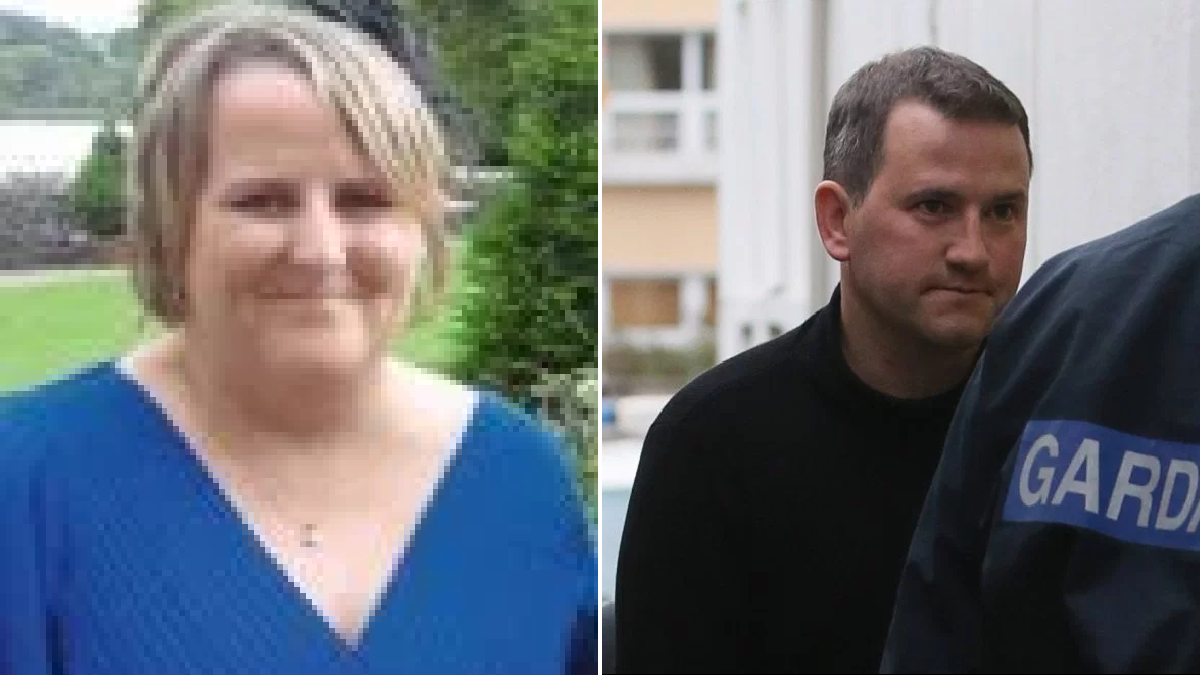
Victim: Elaine O’Hara
Case at a glance
- When
- August 22, 2012
- Where
- Shankill, south Dublin; Killakee Mountain, Dublin; Vartry Reservoir, County Wicklow, Ireland
- Perpetrator
- Graham Dwyer
- Victim
- Elaine O’Hara
- Outcome
- Convicted of murder in March 2015 and sentenced to life; final appeal dismissed by the Supreme Court in July 2024
The case
Elaine O’Hara was a childcare worker from south Dublin, Ireland. On August 22, 2012, she was last seen near Shanganagh Park in Shankill, and she was never heard from again. With no clear evidence of a crime, her disappearance was treated at first as a probable suicide.
In September 2013, a dry summer had lowered the water in Vartry Reservoir in County Wicklow. On September 10, anglers found handcuffs, restraints and other items in the shallows, and gardaí later recovered two phones from the water. Three days after the anglers’ find, a dog walker came across human remains on Killakee Mountain in the Dublin hills, and dental records confirmed they were Elaine’s. The phones held messages between two users in a master-and-slave relationship. Details in those texts, backed by phone records and DNA, pointed to Graham Dwyer, a married architect. He was arrested on October 17, 2013.
In March 2015 a jury at the Central Criminal Court convicted Dwyer of murder, and he received the mandatory life sentence. He then challenged the use of his phone data under Irish retention law. The EU Court of Justice ruled in 2022 that the law breached EU rules, but in July 2024 Ireland’s Supreme Court unanimously upheld his conviction.
Read the full story
This case is told in full in True Crime Case Histories, Volume 1 by Jason Neal.
Get Volume 1 on AmazonCase photographs
5 photos



Where it happened
Why this case
“Elaine’s case turned on chance: a dry summer, a few anglers and a dog walker in the same week. Without them, her death might still be recorded as a suicide. I want readers to see how easily a planned killing can pass as something else, and how much depends on luck.”
— Jason Neal, author of True Crime Case Histories


