

Volume 16 · Chapter 11
The Frankston Serial Killer
Paul Charles Denyer
Victims: Elizabeth Stevens · Debbie Fream · Natalie Russell
Case at a glance
- When
- June and July 1993
- Where
- Langwarrin, Carrum Downs and Frankston North, Melbourne, Australia
- Perpetrator
- Paul Charles Denyer
- Victims
- Elizabeth Stevens, Debbie Fream, Natalie Russell
- Outcome
- Pleaded guilty and received three life sentences in December 1993, with a 30-year minimum set on appeal in 1994; parole was refused in 2023, and Victoria passed legislation targeting his release that year
The case
In the winter of 1993, three young women were murdered within seven weeks around Frankston, a bayside suburb of Melbourne. On June 11, eighteen-year-old Elizabeth Stevens was taken from a bus stop in Langwarrin and killed in a nearby park. On July 8, Debbie Fream, twenty-two and a new mother, went out to buy milk near her Seaford home and was later found in a paddock at Carrum Downs.
On July 30, seventeen-year-old Natalie Russell was walking home from school along a bike track between two golf courses when she was attacked and killed. That afternoon a postal worker had reported a man slumped in a plateless car parked opposite the track, and police noted the windscreen registration sticker. The yellow Toyota belonged to Paul Denyer, 21, of Frankston North, and it had also been seen near where Debbie was found.
Detectives interviewed Denyer on July 31 and saw cuts on his hands. Faced with a DNA test, he confessed to all three murders and told police he had wanted to kill since he was fourteen. He pleaded guilty and on December 20, 1993, received three life sentences with no minimum term. In 1994 the Court of Appeal set a thirty-year minimum. The Adult Parole Board refused his parole application in May 2023, and later that year Victoria passed a law aimed specifically at keeping him in prison.
Read the full story
This case is told in full in True Crime Case Histories, Volume 16 by Jason Neal.
Get Volume 16 on AmazonCase photographs
11 photos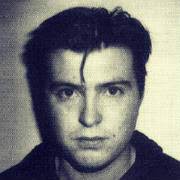


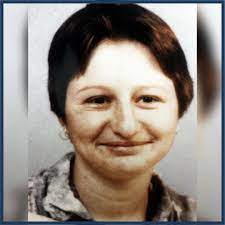


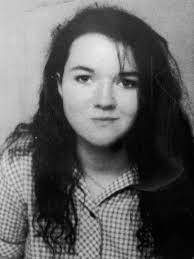
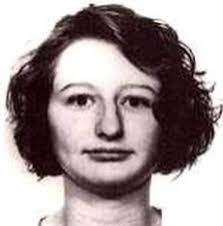

Where it happened
Why this case
“What strikes me here is how ordinary each errand was: a bus stop, a carton of milk, the walk home from school. A town changed how it lived that winter. The case broke because a postal worker paid attention and a police officer copied down a registration sticker. Small acts like that matter.”
— Jason Neal, author of True Crime Case Histories


