

Volume 27 · Chapter 4
A Fatal Lie
John Whiteside, Kristian Dieber
Victim: Keith Hibbins
Case at a glance
- When
- April 25, 1999; Hibbins died May 6, 1999
- Where
- Fitzroy Gardens and Lansdowne Street, East Melbourne, Victoria, Australia
- Perpetrator
- John Whiteside and Kristian Dieber
- Victim
- Keith Hibbins
- Outcome
- Both pleaded guilty to manslaughter and were given suspended sentences in June 2000; on appeal in August 2000 each was sentenced to six years with a four year minimum
The case
Keith Hibbins was forty-five and had been with his partner David Campbell for fifteen years. On Anzac Day, April 25, 1999, the two men took an evening walk through Fitzroy Gardens in Melbourne. At the edge of the park a crying woman told a group of young men coming back from the football that two men had sexually assaulted her, and a jogger said he had seen her arguing with two men.
John Whiteside and Kristian Dieber, both drunk, chased the couple onto Lansdowne Street. Campbell tripped, was punched and kicked on the ground, and got away. Hibbins, slower because of pins in his arms and legs from an old accident, could not. They punched him six to eight times in the head against a parked car. He never regained consciousness and died eleven days later of blunt head trauma. Within weeks the woman admitted there had been no assault; she was later convicted of making a false report.
Both men pleaded guilty to manslaughter. In June 2000 the trial judge gave them three years and suspended almost all of it, and they walked out having served about six months on remand. The Director of Public Prosecutions appealed, and on August 4, 2000 Victoria’s Court of Appeal replaced those sentences with six years each, with a minimum of four, and the High Court refused leave to appeal in 2001.
Read the full story
This case is told in full in True Crime Case Histories, Volume 27 by Jason Neal.
Get Volume 27 on AmazonCase photographs
3 photos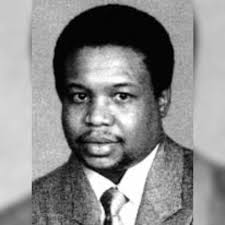


Where it happened
Why this case
“A lie took about thirty seconds to tell and it cost Keith Hibbins his life. What I kept returning to was the sentencing, and how close two men came to walking away from a killing because a judge decided they were unlucky rather than dangerous.”
— Jason Neal, author of True Crime Case Histories


