
Bruce Ivins: Amerithrax
Amerithrax:AccusedBruce Ivins·VictimsRobert Stevens·Thomas Morris Jr.·Joseph Curseen Jr.·Kathy Nguyen·Ottilie Lundgren
Case at a glance
- When
- September and October 2001
- Where
- Letters mailed from New Jersey to New York, Florida and Washington, D.C.; spores traced to Fort Detrick, Maryland, United States
- Perpetrator
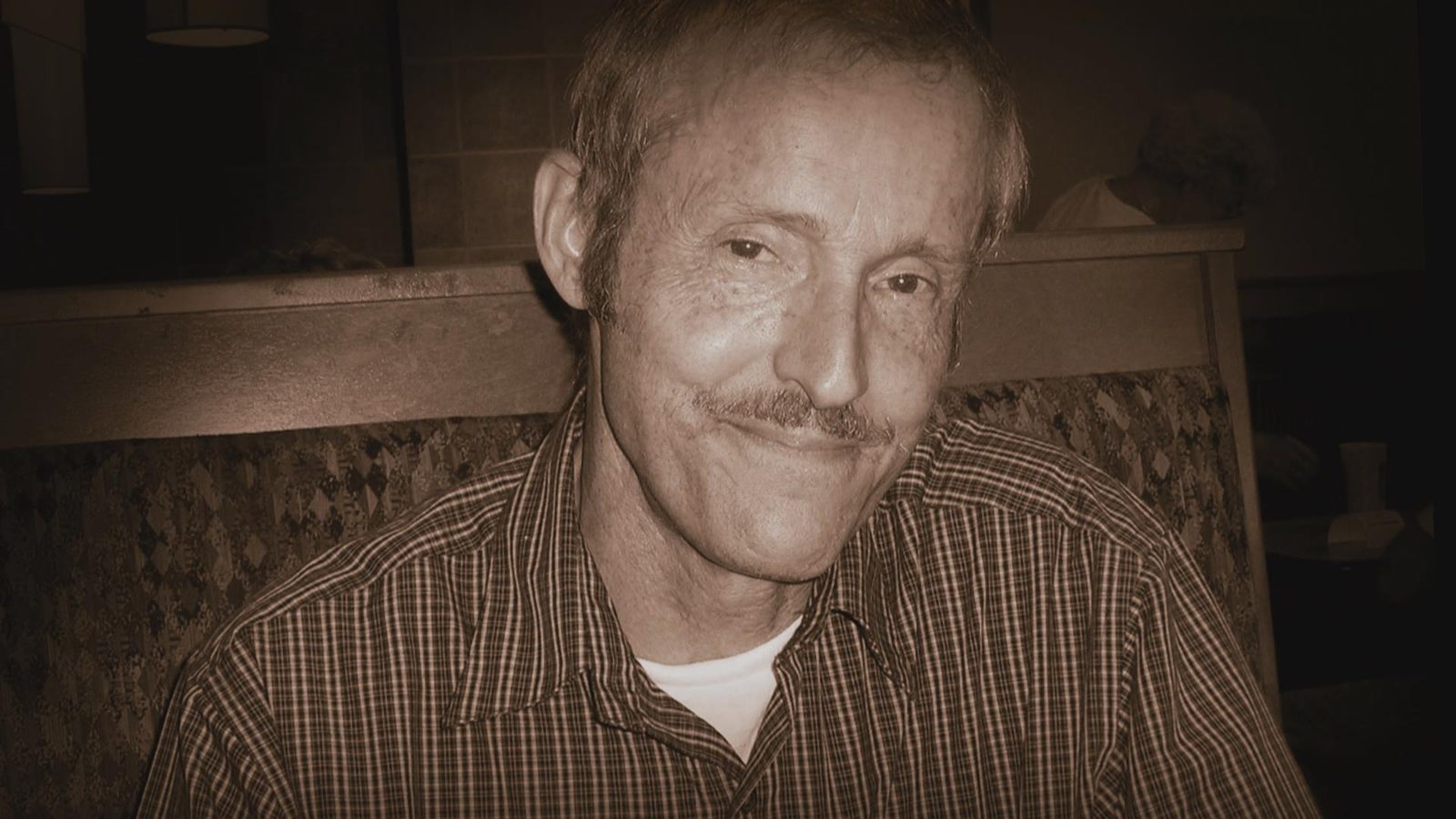
- Bruce Edwards Ivins, named by the FBI as the sole perpetrator; never charged
- Outcome
- No one was ever charged; Ivins died in July 2008 and the FBI closed the investigation in February 2010, naming him as the sole perpetrator
The case
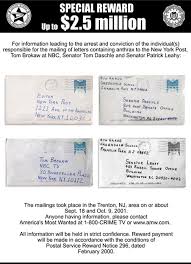
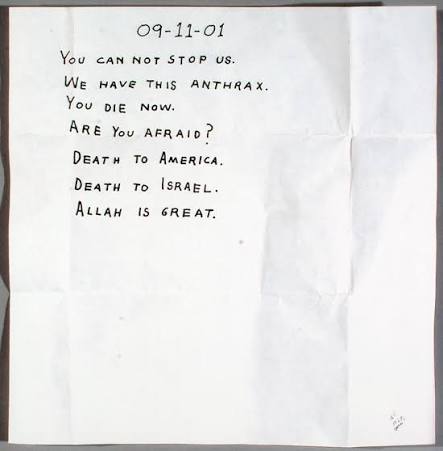
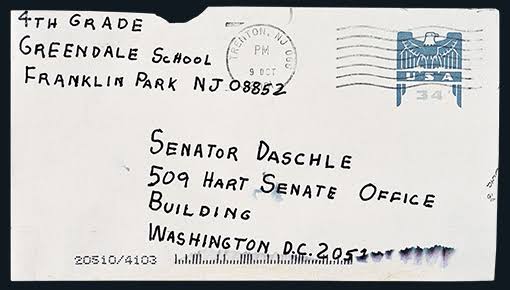
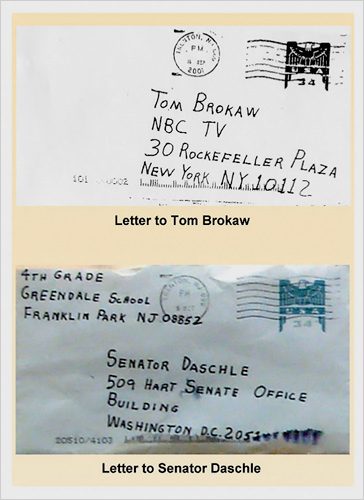
One week after the September 11 attacks, envelopes of anthrax spores were mailed from New Jersey to news organizations in New York and Florida. In October a second, more refined batch went to Senators Tom Daschle and Patrick Leahy. Five people died: photo editor Robert Stevens, postal workers Thomas Morris Jr. and Joseph Curseen Jr., hospital worker Kathy Nguyen and Ottilie Lundgren, a 94-year-old Connecticut widow. At least 17 others were infected.
The investigation, code-named Amerithrax, was one of the FBI’s largest. For years it centered on Steven Hatfill, a former Army researcher publicly named a person of interest. He was never charged, and in June 2008 the government settled his lawsuit for $5.8 million. New genetic techniques traced the mailed spores to a flask kept by Bruce Ivins, a microbiologist at the Army’s biodefense laboratory at Fort Detrick, Maryland. Of a thousand samples tested, only eight shared its four mutations. Investigators also could not explain his solitary night hours in the containment lab that autumn.
Ivins died on July 29, 2008, of an overdose, as prosecutors prepared charges. In February 2010 the Justice Department closed the case, naming him the sole perpetrator. A National Academy of Sciences review in 2011 called the science consistent with that conclusion but not definitive, and a 2014 audit criticized the FBI’s methods. Robert Stevens’ family settled with the government for $2.5 million.
Case photographs
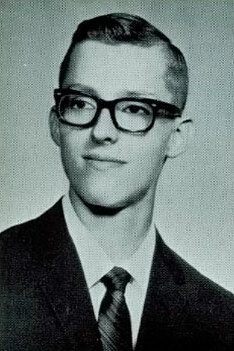
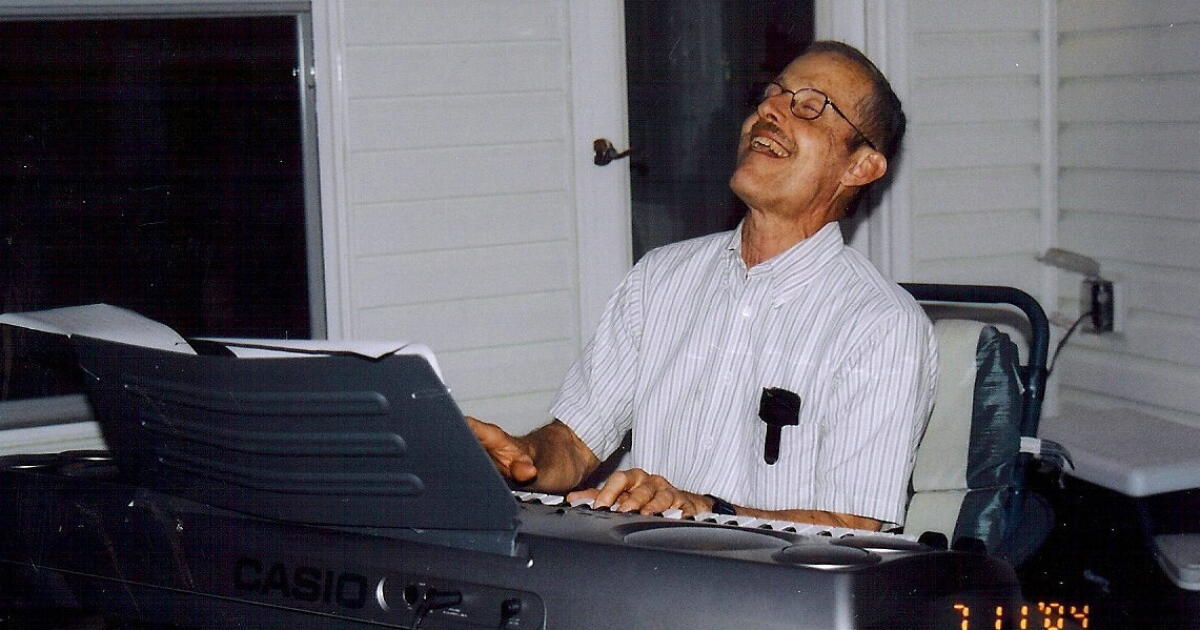
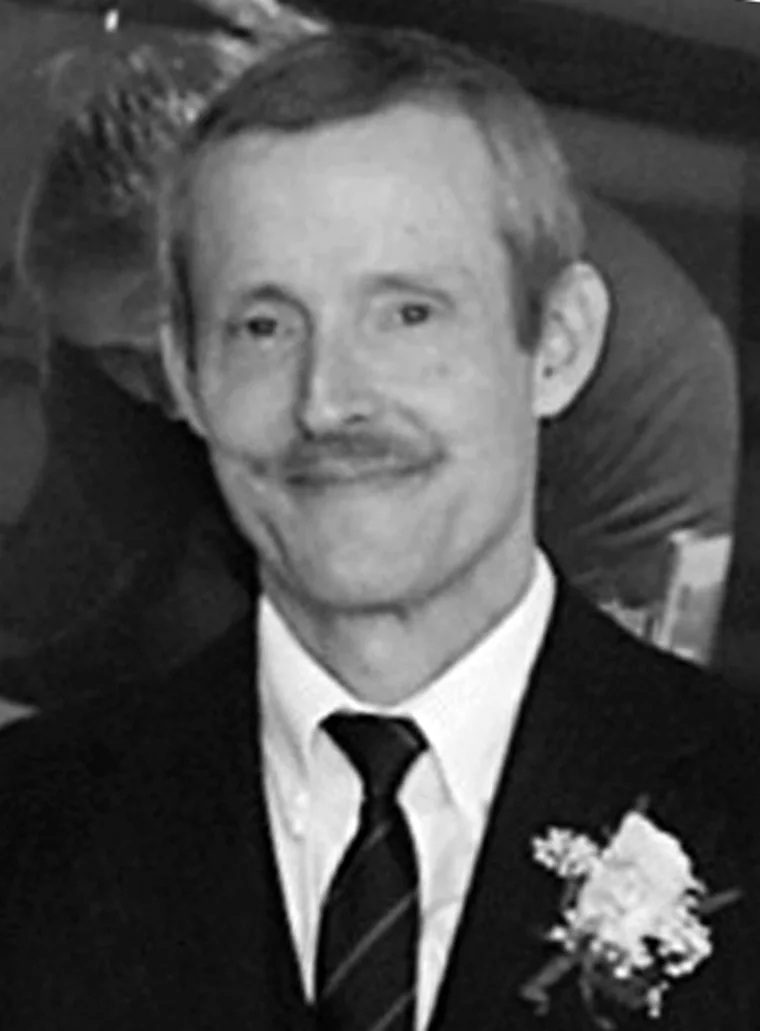
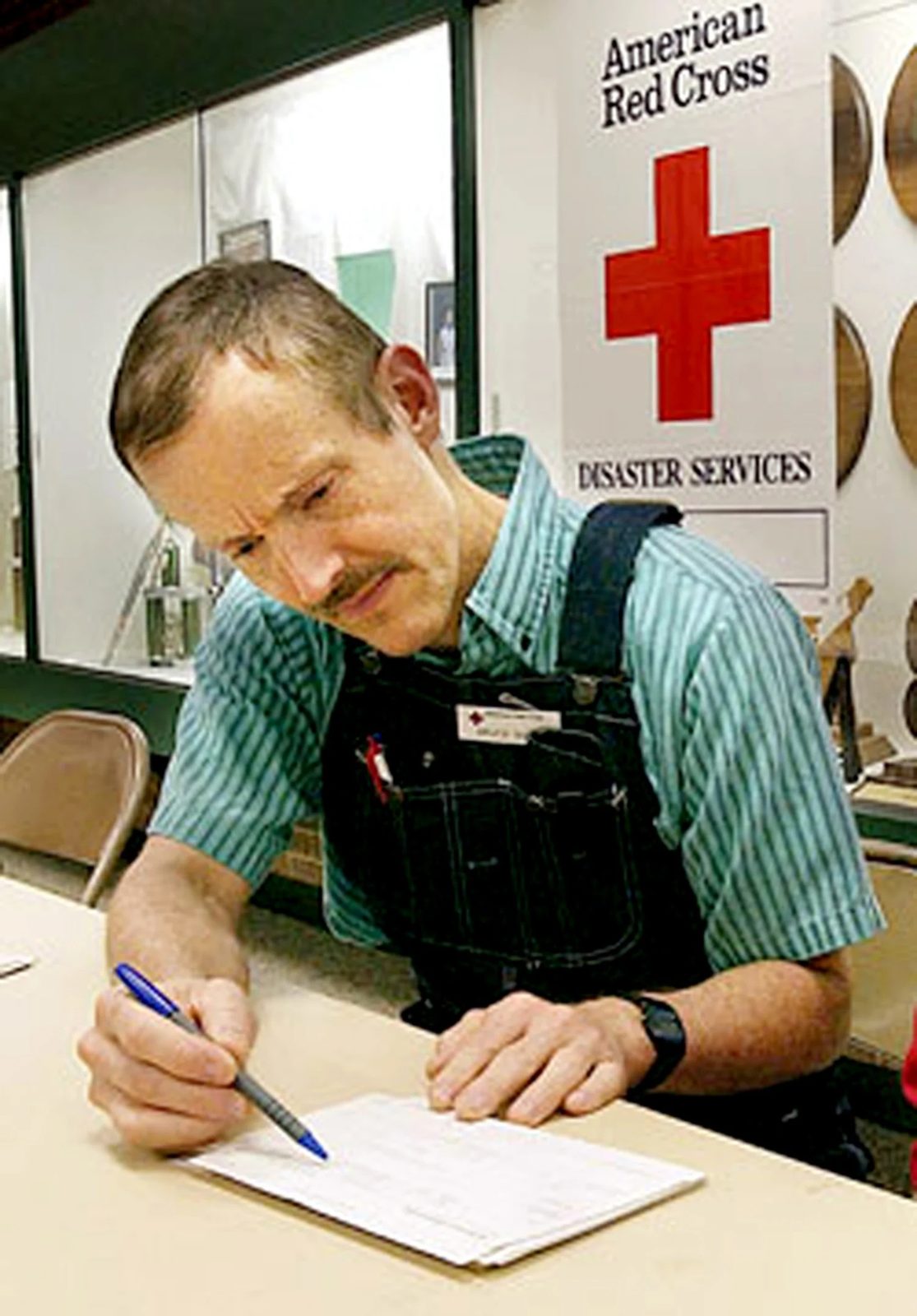
Where it happened
Fort Detrick, the Army laboratory where Bruce Ivins worked
More cases like this

The Perfect Murder
Mushroom foragers in a Bavarian forest near Regensburg found bones fused with hardened quicklime — remains someone had tried to chemically erase. Christian F. believed he had committed the perfect murder.

The Bargain Basement
Dr. Anthony Pignataro cruised Buffalo in a red Lamborghini selling cut-rate cosmetic surgery. In his makeshift basement operating room, paramedics found patient Sarah Smith dying — and the doctor holding a bent coat hanger.

Over Our Dead Bodies
When fire tore through the Prairie Village, Kansas, mansion of physician Debora Green in October 1995, her children were still inside — and investigators would learn the flames were not the family's first brush with poison and ruin.

The House of Secrets
When police knocked on the door of 7 Pump Hill in Great Baddow, Essex, for a routine welfare check, Virginia McCullough had been waiting four years, three months, and twenty-eight days for that moment — and for what lay hidden behind the walls.

The Limburg Schoolgirl Murders
Best friends Jasmin and Yvonne, both sixteen, left a German discotheque at 3:00 a.m. in October 1994 and accepted a ride from a friendly middle-aged couple — a motherly woman and her quiet husband. Neither girl made it home to Limburg.

Hidden Betrayal
Interior designer Jade Janks had cared for her ailing stepfather, Tom Merriman, through his decline in Solana Beach, California. Then, on his computer, she discovered more than a hundred intimate photos of herself — meticulously organized, some dating back to when she was sixteen.

The Black Widow
Lonely widower Fred Weeks proposed within days of white-haired, rosy-cheeked 'Millie' knocking on his Nova Scotia door — and on the honeymoon ferry to Newfoundland, he suddenly couldn't remember how to start his own car.

The Coffee Killer
Jessica Wongso arrived oddly early at Jakarta's trendy Olivier restaurant and ordered a Vietnamese iced coffee for her old college friend Mirna Salihin — a drink investigators would later determine contained a lethal dose of cyanide.
Jason Neal has been writing true crime since 2019 and is the author of the True Crime Case Histories book series.
The full written account of this case is in True Crime Case Histories: Volume 28: Book · Paperback · Audiobook