
The case
Byron Smith was a retired security engineer who had spent decades protecting U.S. embassies for the State Department. By 2012 he lived alone in a house on Elm Street in Little Falls, Minnesota, and the property had been burglarized several times. A shotgun was among the things taken, and no one had been charged.
On Thanksgiving Day, November 22, 2012, Smith moved his truck so the house would look empty and settled into his basement with a rifle, a revolver and an audio recorder. Around 12:30 p.m., seventeen-year-old Nick Brady came down the stairs, and Smith shot him several times. About ten minutes later Brady’s cousin, eighteen-year-old Haile Kifer, followed, and Smith shot her repeatedly as well. He did not call police. They learned of the shootings the next day, after he asked a neighbor to find him a lawyer and then to call them.
The recorder had captured hours of Smith talking about what he had done, and prosecutors argued that his final shots were fired after the teenagers were no longer any threat. In April 2014 a jury rejected his self-defense claim and convicted him of first-degree premeditated murder, and he received two concurrent life sentences without the possibility of release. The Minnesota Supreme Court upheld the verdict in 2016, and the U.S. Supreme Court declined to hear his last appeal in 2021.
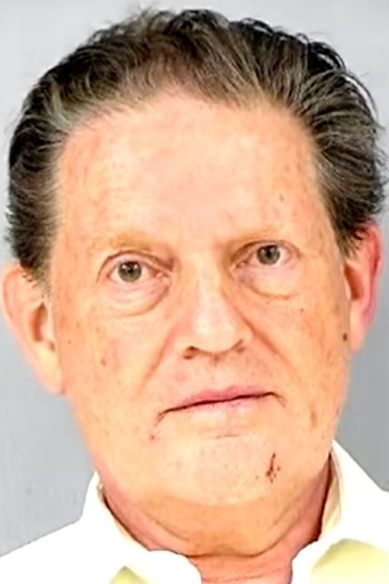
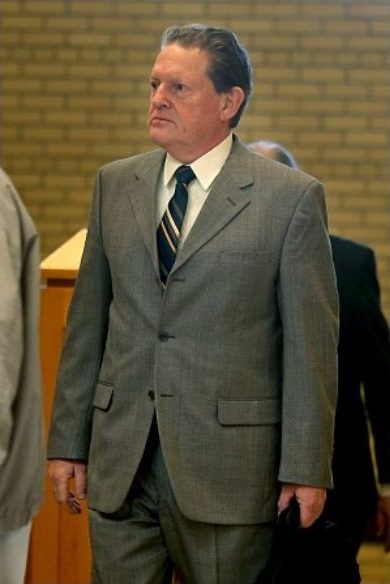
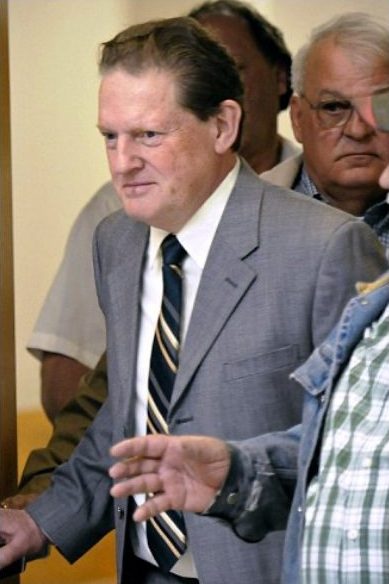
Case photographs



Where it happened
Little Falls, where Nick Brady and Haile Kifer were killed