
Twisted Triangle:Kraig Kahler·Karen Kahler·Emily Kahler·Lauren Kahler·Dorothy Wight
The case
James Kraig Kahler worked as a city utilities director in Missouri, and he and his wife, Karen, had three children: Emily, Lauren and Sean. In 2009 the marriage fell apart. Karen had begun a relationship with a woman, Sunny Reese, and filed for divorce. That same year Kahler lost his job and moved in with his parents while the divorce went forward.
On the Saturday after Thanksgiving, November 28, 2009, Kahler drove to the Burlingame, Kansas, home of Karen’s grandmother, Dorothy Wight, where Karen and the children were visiting over the holiday weekend. He went into the house, shot Karen, and let his son run from the house. He then moved through the rooms and shot Dorothy, Emily and Lauren. All four victims died. Officers picked him up on a country road the next morning, and he did not resist.
At trial, his lawyers argued that severe depression had kept him from forming the intent to kill. In August 2011 a jury convicted him of capital murder and he was sentenced to death. The Kansas Supreme Court affirmed in 2018, and in Kahler v. Kansas, decided 6–3 on March 23, 2020, the U.S. Supreme Court held that states are not required to allow an insanity defense based on a defendant’s inability to tell right from wrong. As of April 2026 he was still on Kansas’s death row.
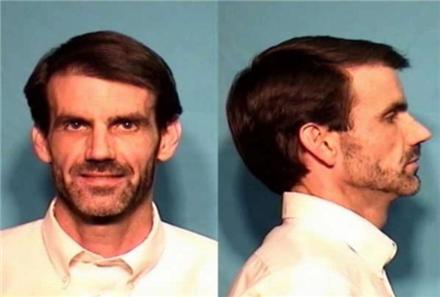
Case photographs






Where it happened
Burlingame, where Kahler killed four members of his family