
Case at a glance
- When
- 2011 (bodies found November 2011)
- Where
- Nizhny Novgorod, Russia
- Perpetrator
- Anatoly Moskvin
- Outcome
- Found not criminally responsible in 2012 and ordered into compulsory psychiatric treatment; a court extended it again in 2026
The case
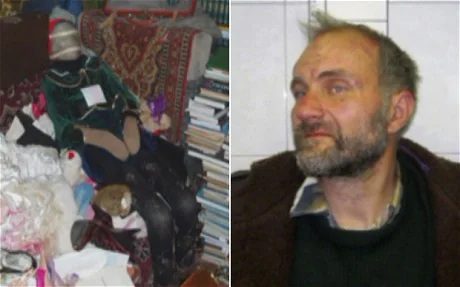
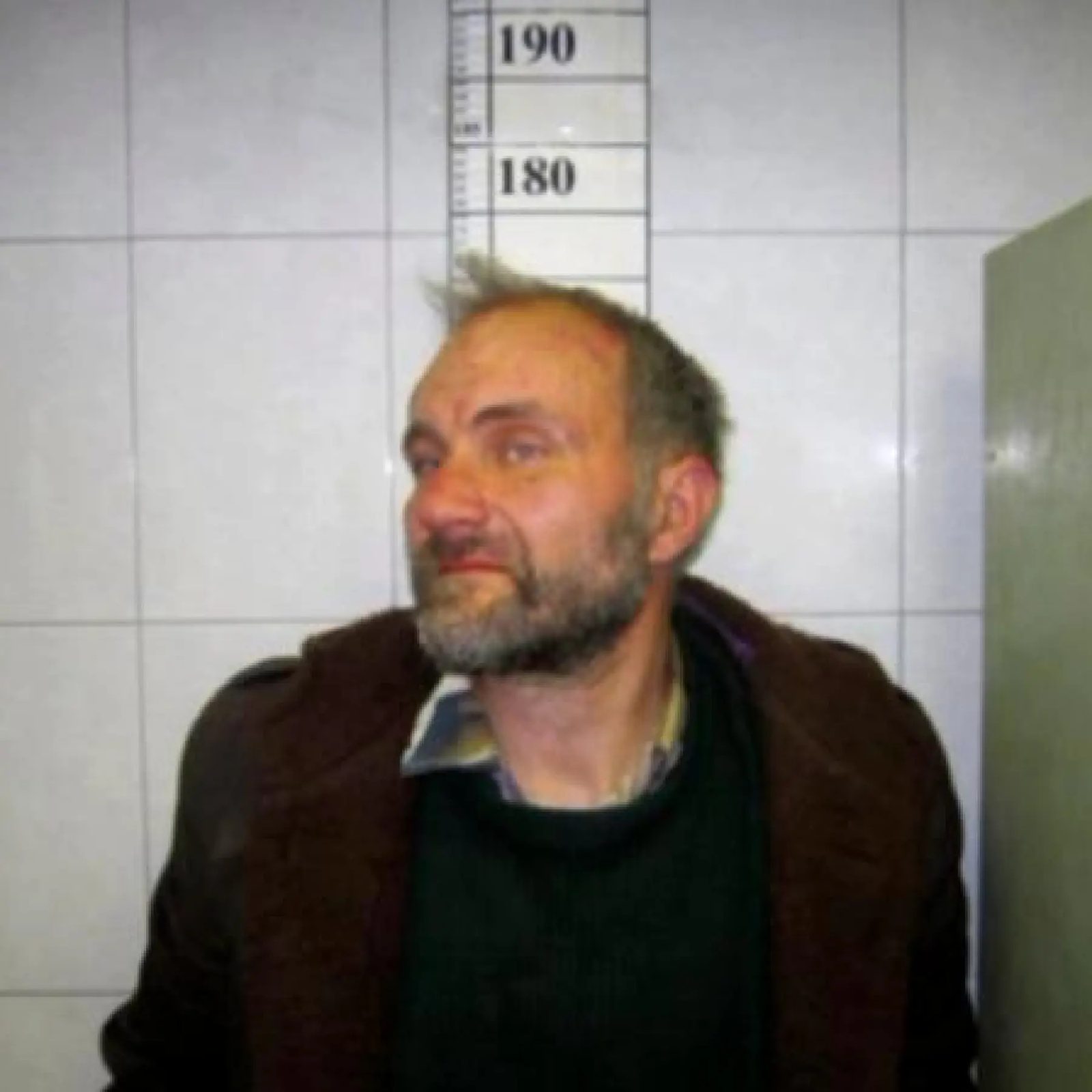
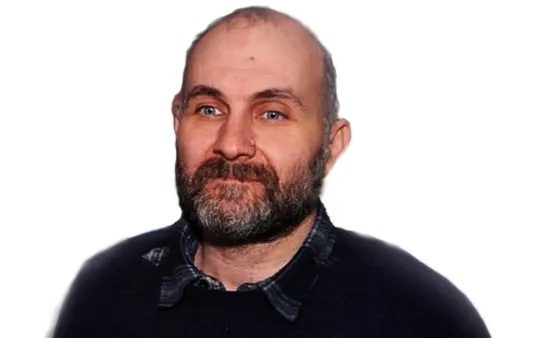
Anatoly Moskvin was a linguist, a newspaper columnist and one of Nizhny Novgorod’s leading authorities on its cemeteries. He said he had inspected more than 750 of the region’s graveyards on foot. He lived with his elderly parents in a flat crammed with books and, on the surface, was a mild and eccentric scholar.
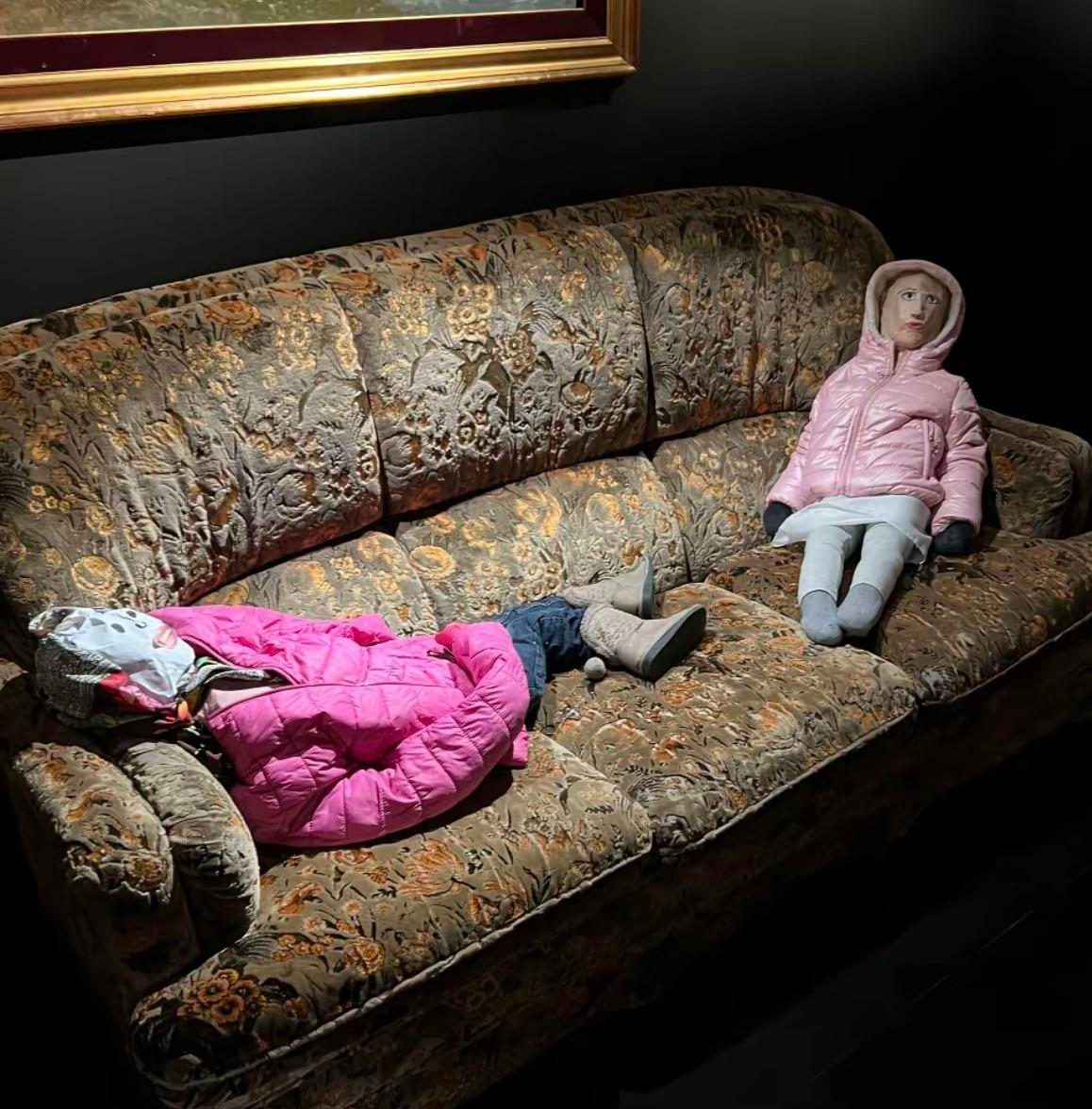
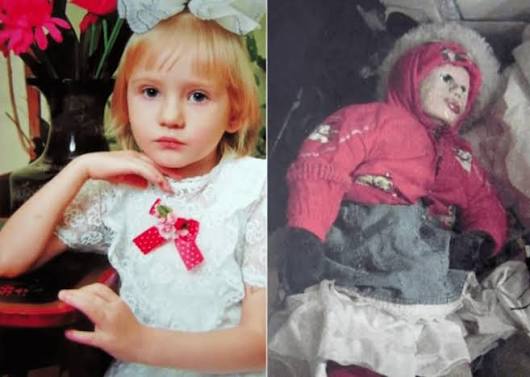
For around two years before November 2011, families had found children’s graves disturbed, and police had no suspect. Then the trail led to Moskvin’s flat. Among the books, investigators found 26 mummified bodies of girls aged three to twelve, dressed in clothes and stockings, their faces covered with fabric or wax masks, some with music boxes inside. He had dug them up from cemeteries around the city and near Moscow, dried them with salt and baking soda and treated them as daughters. His parents had taken the figures for handmade dolls. The nameplates and photographs he had pried from the headstones let investigators identify the girls.
Moskvin told investigators he had believed the girls could one day be brought back to life. Diagnosed with paranoid schizophrenia, he was found not criminally responsible by a Nizhny Novgorod court in May 2012 and ordered into compulsory psychiatric care, an order reviewed regularly since. Doctors proposed outpatient treatment in 2018 and then withdrew the request, and courts in December 2025 and again in 2026 extended his hospitalization.
Case photographs
Where it happened
Nizhny Novgorod, where Moskvin kept the dolls in his family’s flat
More cases like this

The Limburg Schoolgirl Murders
Best friends Jasmin and Yvonne, both sixteen, left a German discotheque at 3:00 a.m. in October 1994 and accepted a ride from a friendly middle-aged couple — a motherly woman and her quiet husband. Neither girl made it home to Limburg.

Shared Psychosis
Swedish twins Ursula and Sabina Eriksson lived quiet, unremarkable lives an ocean apart for forty years. Then, in May 2008, within hours of reuniting in Ireland, something shifted — setting off one of the most bizarre and baffling cases ever caught on camera.

The Millionaire
Millionaire Christopher Foster spent August 25, 2008, shooting clay pigeons and relaxing at a neighbor's barbecue with his wife Jill and daughter Kirstie. By sunrise, their Shropshire mansion, Osbaston House, was a smoldering ruin concealing the truth of his collapsing empire.

Room 3109
By the time British banker Rurik Jutting reached Hong Kong — a vice president who cried at his desk and snorted cocaine through the workday — the boy raised to believe he was a 'great one' was unraveling. Room 3109 was waiting.

The Darlington Cannibal
When Julie Paterson vanished after a trip to a Darlington pub in April 1998, her boyfriend Alan knew she would never miss a visit with her daughter — and weeks later, a police dog led its handler into the overgrown garden of a house that wasn't abandoned after all.

Coercive Control
Sally Challen was fifteen when she fell for car dealer Richard Challen, and she stayed devoted through four decades of his cruelty and control — until a Saturday lunch at their Surrey home ended with the hammer she had carried in her handbag.

The Green Chain Killer
When Pauline Lasham told police her son Robert Napper had confessed to a rape near Plumstead Common, they checked their records, found nothing, and let it go — while the attacks along London's Green Chain Walk were only beginning.

Master and Slave
Elaine O'Hara vanished near Dublin in August 2012, the day after her release from a psychiatric hospital — and the investigation that unfolded over the next three years exposed one of the most shocking crimes in Irish history.
Jason Neal has been writing true crime since 2019 and is the author of the True Crime Case Histories book series.
The full written account of this case is in True Crime Case Histories: Volume 28: Book · Paperback · Audiobook