

Volume 3 · Chapter 4
God Chose Us
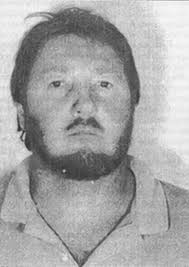
Larry Gene Bell
Victims: Shari Faye Smith · Debra May Helmick
Case at a glance
- When
- May–June 1985
- Where
- Lexington, Saluda and Richland counties, South Carolina
- Perpetrator
- Larry Gene Bell
- Victims
- Shari Faye Smith, Debra May Helmick
- Outcome
- Sentenced to death; executed by electric chair on October 4, 1996
The case
Shari Faye Smith, 17, was about to graduate from high school in the spring of 1985. On May 31, she stopped at the mailbox at the end of her family’s driveway on Platt Springs Road in Lexington County, South Carolina, and was abducted. Her car was left behind at the foot of the drive.
Over the following days, the kidnapper called the Smith home again and again, often speaking with Shari’s older sister, Dawn. He also mailed the family a letter Shari had written as her last will and testament. After one call gave directions, Shari’s body was found in neighboring Saluda County. On June 14, 9-year-old Debra May Helmick was taken from outside her home in Richland County, and another call led searchers to her body. Forensic document examiners found faint indentations of a partial phone number pressed into the letter’s paper. It led them to a couple who had hired Larry Gene Bell, and he was arrested on June 27, 1985.
Bell was convicted of kidnapping and murdering both girls and was sentenced to death. After years of appeals, he died in South Carolina’s electric chair on October 4, 1996, at age 46. In February 2025, police in Charlotte, North Carolina, named Bell as the man responsible for the 1984 disappearance of Sandee Elaine Cornett, who was never found.
Read the full story
This case is told in full in True Crime Case Histories, Volume 3 by Jason Neal.
Get Volume 3 on AmazonCase photographs
3 photos

Where it happened
Why this case
“I keep thinking about the phone calls. Bell kept reaching into the Smith home long after he had taken Shari, and Dawn answered many of those calls. In the end the break came from the faintest marks on a sheet of paper, and from examiners who thought to look for them.”
— Jason Neal, author of True Crime Case Histories


