
Volume 28 · Chapter 3
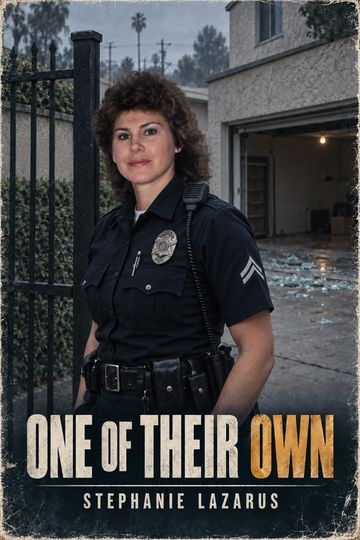
One of Their Own
Stephanie Lazarus
Victim: Sherri Rasmussen
Case at a glance
- When
- February 24, 1986
- Where
- Van Nuys, Los Angeles, California, United States
- Perpetrator
- Stephanie Ilene Lazarus
- Victim
- Sherri Rasmussen
- Outcome
- Convicted of first-degree murder in 2012 and sentenced to 27 years to life; a 2023 parole grant was rescinded in 2024 and parole was denied in February 2025
The case
Sherri Rasmussen was 29, director of critical care nursing at Glendale Adventist Medical Center, and three months into her marriage to engineer John Ruetten. Ruetten had a long involvement with Stephanie Lazarus, a Los Angeles police officer who had not accepted it was over. Lazarus confronted Sherri at the hospital, and once turned up in her home in uniform.
On February 24, 1986, Ruetten came home to the couple’s condo in Van Nuys and found Sherri dead. She had been beaten, bitten on the forearm and shot three times. Detectives called it a burglary gone wrong and the case went cold, though Sherri’s parents kept naming Ruetten’s former girlfriend, who reported her .38 revolver stolen thirteen days after the murder. Years later a cold-case unit had the bite-mark swab tested. The saliva came from a woman. Detectives ruled out the women in Sherri’s life one by one until only Lazarus was left, then collected a cup she had discarded, and the profiles matched. By then she was an LAPD art theft detective.
Lazarus was arrested at police headquarters on June 5, 2009. A jury convicted her of first-degree murder in 2012 and she was sentenced to 27 years to life. Her conviction was upheld on appeal in 2015. A panel found her suitable for parole in November 2023, but that was rescinded in 2024 and parole denied in February 2025.
Read the full story
This case is told in full in True Crime Case Histories, Volume 28 by Jason Neal.
Get Volume 28 on AmazonCase photographs
17 photos


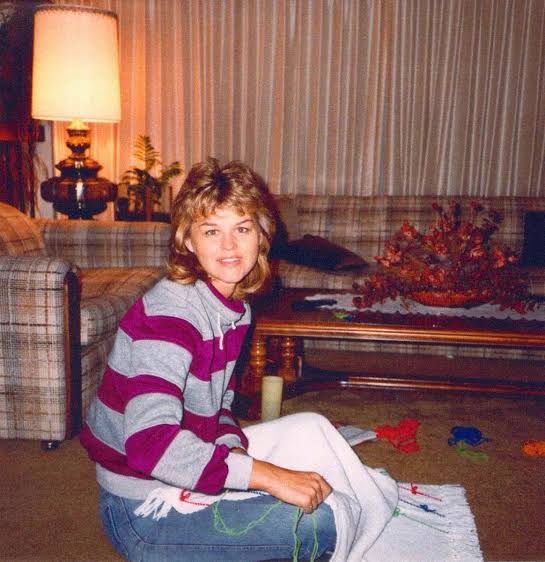


Where it happened
Why this case
“The evidence that solved this case sat in an envelope for two decades. Sherri’s parents told police exactly where to look in 1986, and nobody did. When I write about cold cases I try to keep the family’s side in view, because the delay was not an accident of technology. Someone chose not to follow up.”
— Jason Neal, author of True Crime Case Histories


